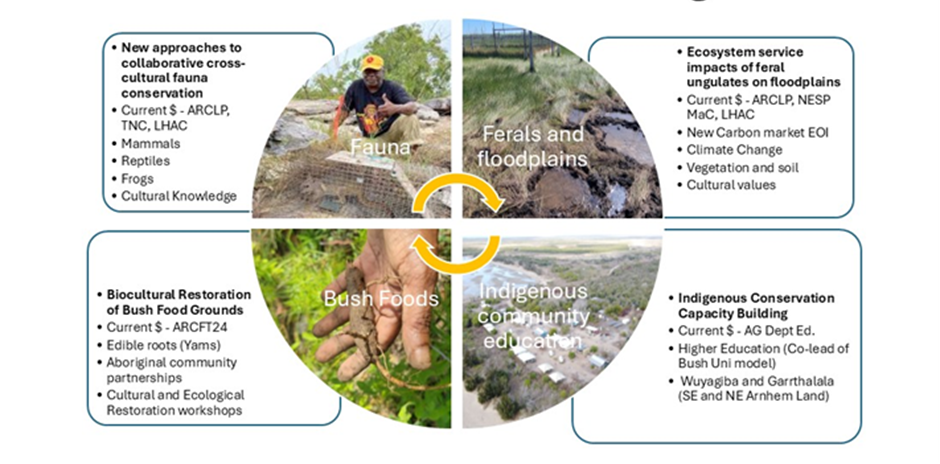
Back to our Roots: Biocultural restoration of Australian edible root grounds (2024-present)
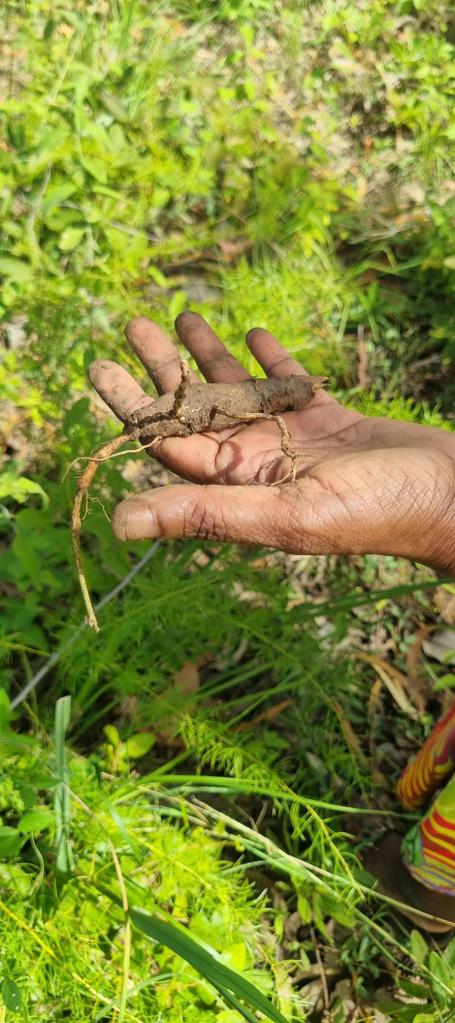
In partnership Aboriginal Knowledge Custodians, this project seeks to better understand the cultural and ecological values, threats and preferred management options for edible root species, with an initial focus on the Sydney region and north east Arnhem Land. A key component of this work is to combine cultural knowledge, science, language, history and creative pursuits to uncover the stories and places of pre-colonial edible root grounds. We are running glasshouse growth trials, engaging the community and schools in planting and monitoring, exploring historical records, recording Indigenous knowledge and hope to study nutritional benefits, to guide biocultural restoration – restoration of edible roots grounds and associated cultural knowledge and language.
Key colleagues, staff and students: Tahlia Robinson (Research Officer), Leanne King (Wollombi Cultural Experiences), A/Prof Liz Cameron (University of Newcastle; Belanjee), Gurrundul Marika and family, Savana Carroll (Masters student), A/Prof Rachael Dudaniec (MQ), Prof Maurizio Rossetto and Dr Monica Fahey (Sydney Royal Botanic Gardens).
Funding: Australian Research Council (Future Fellowship, 2024-2028, ENS), Cumberland Plain Conservation Plan (small grant, 2025).
Feral ungulate impacts on wetlands: Monitoring and restoration (2008-present)
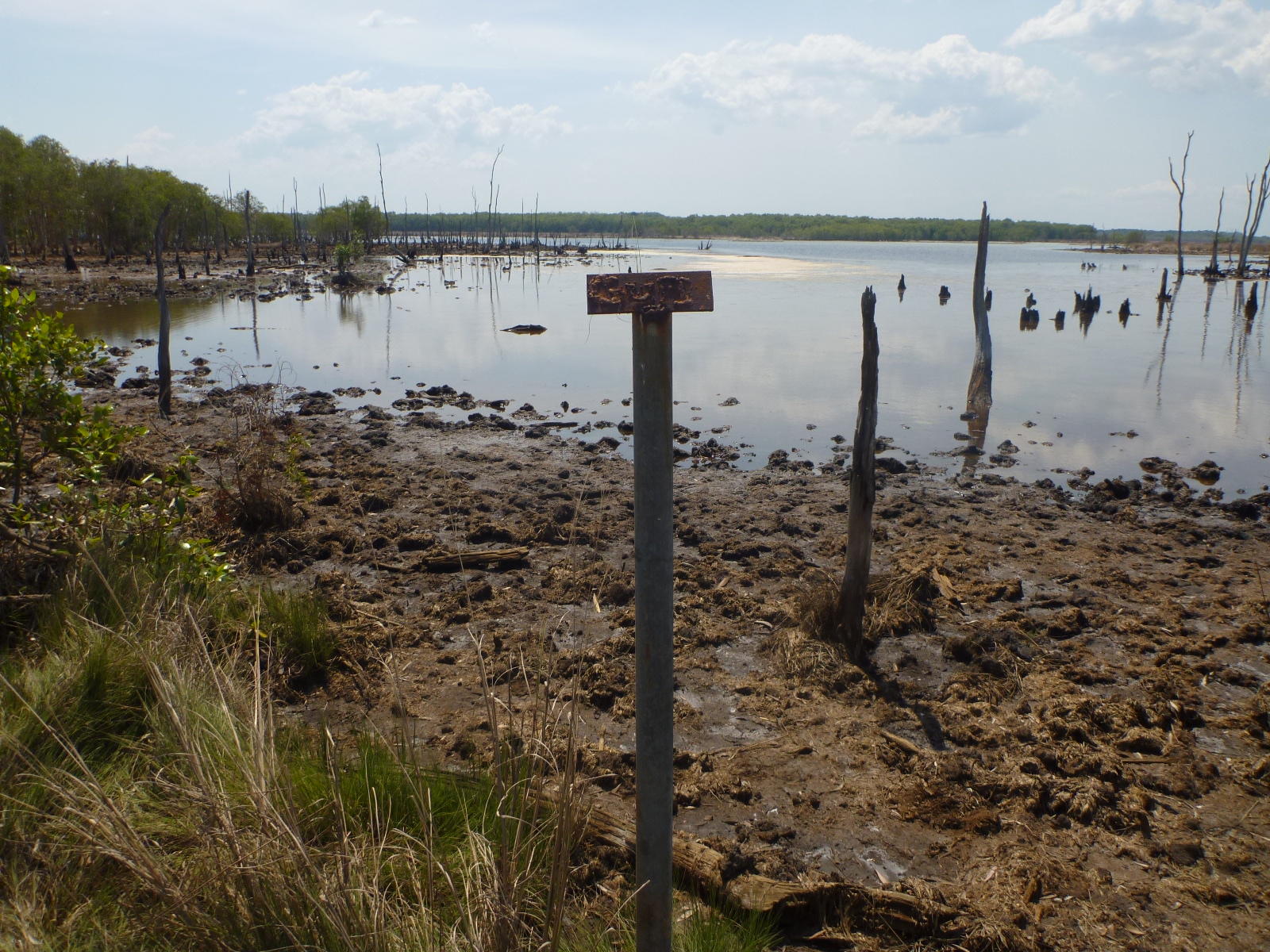
Since 2008 we have worked with the Yirralka Rangers of the Laynhapuy Indigenous Protected Area to better understand the drivers of tree decline and floodplain change – interactions of feral ungulates and sea level rise. This long-term, multidisciplinary, collaborative research has produced important data and knowledge on changes in carbon stocks, culturally important species (eg räkay, Eleocharis dulcis) and long term change that supported a new Carbon Market proposal: “Reducing disturbance of coastal and floodplain wetlands by managing ungulates“. We maintain long term feral ungulate exclusion plots with the Gurrumuru Homeland community and are working with Yirralka to upscale restoration efforts to enhance ecosystem services. This work recently featured in the 2025 UN Science Summit Nature-based Solutions symposium.
Key colleagues, staff and students: The Yirralka Rangers, Yumutjin Wunuŋmurra, Layndjana Munuŋgurr, Daniel Sloane (Masters/PhD), Nicholas Crameri (PhD), Oscar Jones (Masters), Celina Brinkman (Masters).
Funding: Australian Research Council (Discovery Early Career Research Award, 2013-2016, ENS); Australian Research Council (Linkage Project, 2019-2025); National Environmental Science Program (Marine and Coastal Hub) Project 3.8; Indigenous Land and Sea Corporation (2025).
Indigenous biocultural research: National syntheses and analyses (2010-present)
Through the Ecological Society of Australia and Australian Terrestrial Ecosystem Research Network (TERN) ACEAS Indigenous Biocultural Knowledge Working Group, Dr Ens has worked with many colleagues to produce national syntheses and analyses of Indigenous biocultural Knowledge, and promote Indigenous and Cross-cultural (or Two-way) Ecology. She has led two Special Issues (2012 and 2022) on this topic for Australian journal Ecological Management and Restoration, assisting Aboriginal ranger groups to document their work. In 2023, she was invited to contribute insight to high impact international journal Trends in Ecology and Evolution (TREE) where she led a paper on “Recognising Indigenous plant-use histories for inclusive biocultural restoration”. In 2024, she was invited by Prof Sarah Legge and Dr Jack Pascoe to help produce a Special Issue for journal Wildlife Research on Indigenous and cross-cultural wildlife research in Australia.
Our work has also featured in Australian and International environmental and Indigenous policy documents including: the Australian State of the Environment Reports 2016 and 2021; and Intergovernmental Panel on Biodiversity and Ecosystem Services (IPBES) Global Assessment (2019).
Key colleagues: Gerry Turpin (Tropical Indigenous Ethnobotany Centre, JCU), Dr Petina Pert (CSIRO), John Locke (Biocultural Consulting), Dr Philip Clarke, Oliver Costello (Jagun Alliance), Prof Max Finlayson, Prof Sue Jackson, Karissa Preuss, Prof Maurizio Rossetto (Sydney Royal Botanic Gardens), Prof Sarah Legge, Dr Jack Pascoe, Prof Stephen van Leeuwen, Hannah Cliffe and Marlee Hutton.
Retracing Aboriginal Plant dispersal (2015-present)

In partnership with Prof Maurizio Rossetto (RBG Syd) and Oliver Costello (Jagun Alliance), our initial research in 2015-6 investigated the prehistoric dispersal of Bugam (Castanospermum australe) in northern NSW by Aboriginal people. We have since expanded this research to explore the possible dispersal and kinship pattens of Bunya Pine across its disjunct populations in Cape York and SE Qld. Masters student and Gangalida man Patrick Cooke explored the cultural connections and developed biocultural protocols for such work, and PhD student Monica Fahey investigated the Bunya genetics and developed a genetic screening workflow for future work. We will continue this line of research through the edible roots project (described above).
Key colleagues and students: Prof Maurizio Rossetto (RBG Sydney), Oliver Costello (Jagun Alliance), Dr Monica Fahey (RBG Sydney), Dr Philip Clarke, Patrick Cooke, Savana Carroll.
Funding: Australian Research Council (Discovery Project, 2018-2022), Australian Research Council (Future Fellowship, 2024-2028, ENS).
Warrakan’puy Djäma: A new biocultural approach to fauna conservation
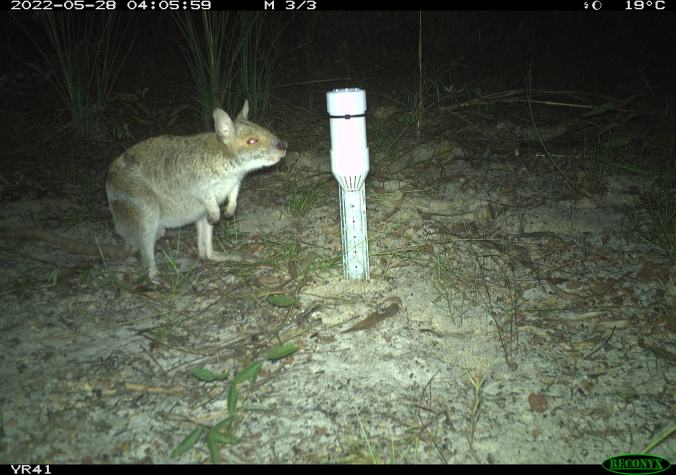
This long-term research aims to bring together Indigenous knowledge and Western science to better understand and manage Australia’s threatened and culturally significant fauna. In partnership with Aboriginal colleagues, ranger groups and Elders, we document, share and combine Indigenous knowledge, values and aspirations with new technologies such as genetics, modelling and remote fauna detection methods to create place-based solutions to fauna conservation. This work also involves exploring use of cultural fire for habitat management and understanding the role of invasive species.
Key colleagues and students: Yirralka Rangers, Yugul Mangi Rangers, Bridget Campbell (Masters/PhD), Prof Craig Moritz (ANU), Dr Shaina Russell, Gabrielle Brennan, Dr Joy Rey (Dharug, MQU), Dr Michael Chang (MQ), NLC Learning on Country program, Prof Sam Banks, Dr Luke Preece (The Nature Conservancy).
Funding: The Nature Conservancy (Australia) (2014-present), the Atlas of Living Australia, Australian Government Inspiring Australia Citizen Science grant (2017-2018), Australian Research Council (Linkage Grant, 2020-2025), Australian Academy of Science Max Day Science Fellowship (Bridget Campbell, 2022) and Margaret Middleton Award (Dr Shaina Russell, 2023).
Collaborative research with the Yugul Mangi Rangers, SE Arnhem Land (2008-2018)
Fencing culturally important billabongs and collaborative monitoring of ecocultural outcomes
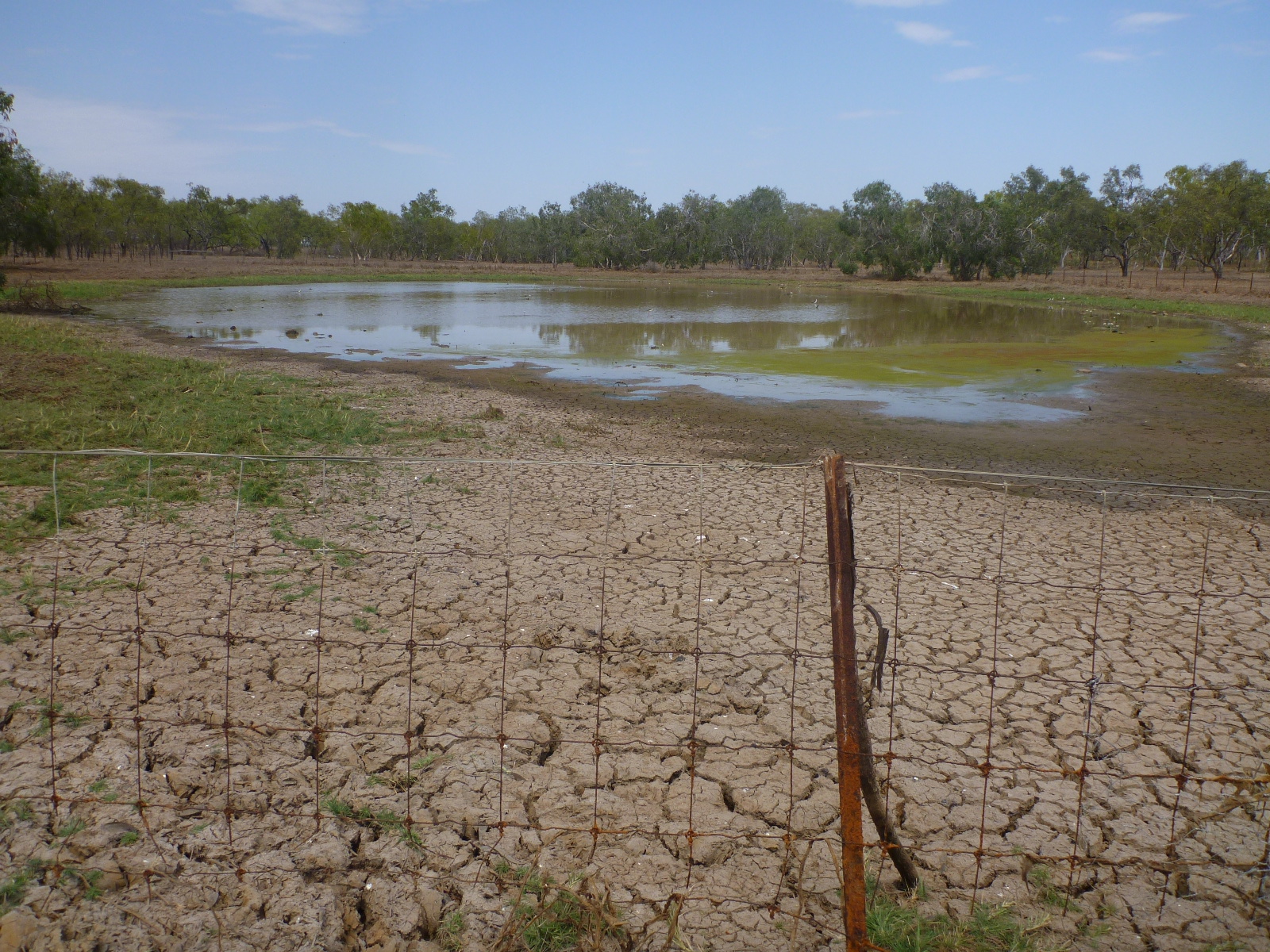
In 2009, with funding from the Greening Australia NT “Healthy Water program” we fenced off three culturally significant billabongs near Ngukurr community with the Yugul Mangi Rangers, and monitored the eco-cultural outcomes until 2015. The Ngukurr Yangbala Project continued this project (funded by The Nature Conservancy), and with PhD student Shaina Russell, who conducted further monitoring of billabong water quality, microbial contamination (and potential effects on human health) by feral buffalo and pigs, and ecosystem services relational values.
Cross-cultural Biodiversity research
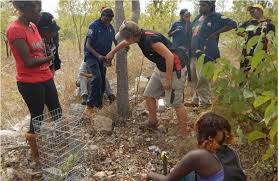
From 2013-2018 we worked with the Yugul Mangi Rangers, Ngukurr Yangbala Project and local communities to conduct biodiversity surveys across south eastern Arnhem Land. We greatly expanded the species records of this region, contributed hundreds of new records to the Atlas of Living Australia, engaged about 300 local community members, extended the known range of several species and collaboratively produced a multilingual Cross-cultural Field guide to some Animals and Plants of South East Arnhem Land. This project received funding from The Nature Conservancy (TNC) (2015-2017), the Atlas of Living Australia and the Australian Government Department of Business, Industry and Innovation’s Citizen Science Grant program (2017-2018). This work received the 2017 Eureka prize for Innovation in Citizen Science and also fed into national Environmental policy.
See some of our blogs on the Atlas of Living Australia website such as: https://www.ala.org.au/blogs-news/citizen-science-project-builds-on-award-winning-cross-cultural-collaboration-in-eastern-arnhem-land/
Wuyagiba Study Hub (2018-present)
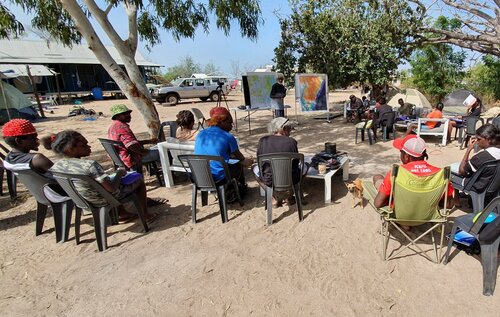
In partnership with the Wuyagiba Bush Hub Aboriginal Corporation we are creating cross-cultural University education programs on-Country in remote Australia in partnership with remote Aboriginal communities. We have developed four unique Micro-credentials that combine local Indigenous and Academic skills and knowledge: two cultural units designed and delivered by local Elders and two Academic units adapted from standard Macquarie Uni first year subjects. All have been accredited by the Macquarie University faculty of Science and Engineering.
 Cross-Cultural Ecology, Education and Restoration Lab